

Key Takeaways
- Select a door closer according to door weight and dimensions.
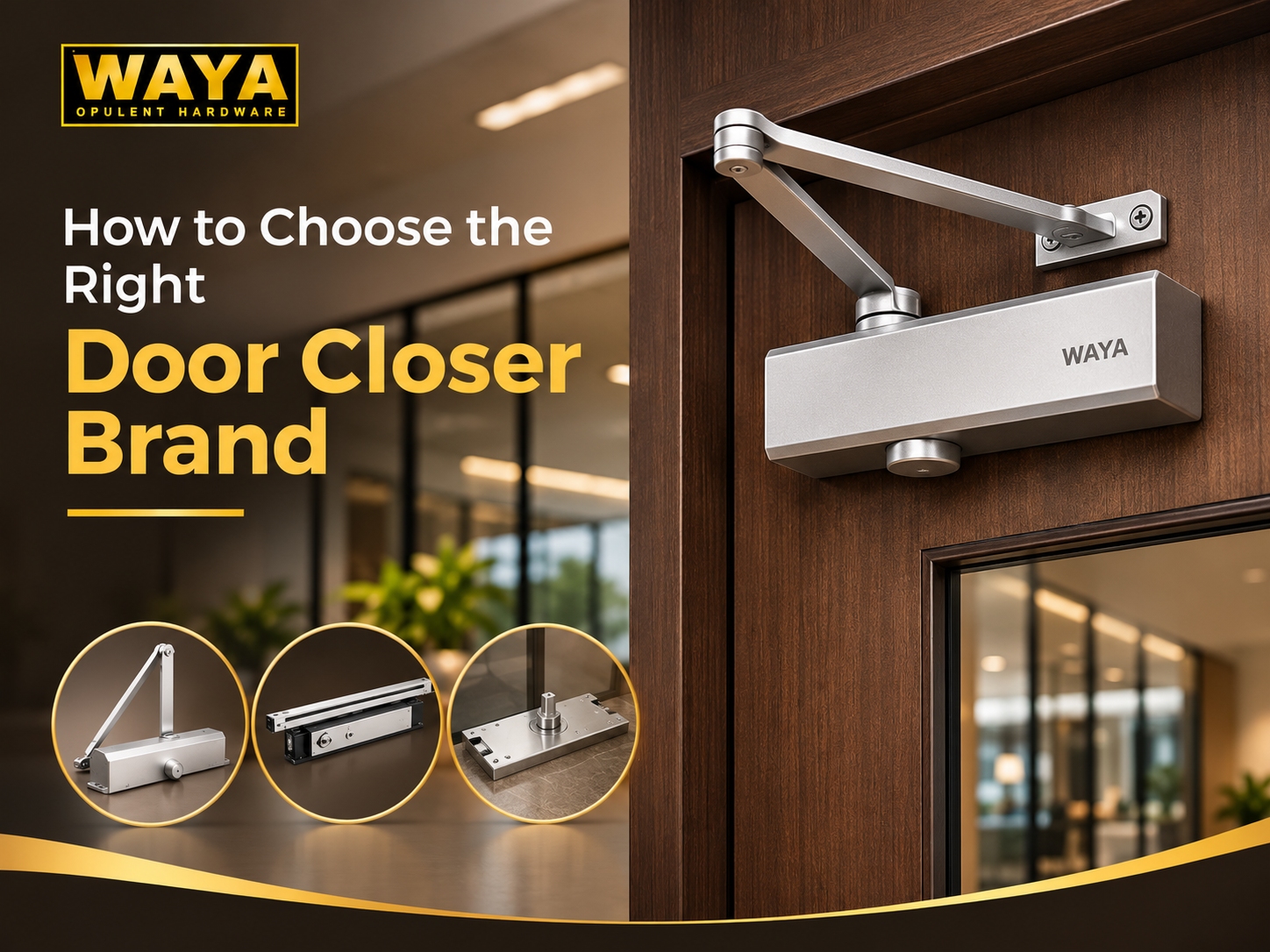
- Understand the differences between surface-mounted, concealed and floor spring door closers.
- Check closing speed and adjustment features.
- Consider installation requirements and frequency of use.
- Review product specifications and manufacturer guidance before purchasing.
How to Choose the Right Door Closer Brand for Your Project
A door closer is an important part of modern architectural hardware. It controls the closing movement of a door, helping prevent sudden slamming and ensuring a more controlled opening and closing experience. Door closers are commonly used in offices, hotels, hospitals, commercial buildings and residential spaces. However, choosing the right product requires more than simply comparing prices. Selecting a reliable door closer brand involves understanding the door’s requirements, product specifications, durability and installation conditions.What Is a Door Closer?
A door closer is a mechanical device fitted to a door and its frame. It controls the door’s closing movement after it has been opened. Depending on the design and application, a door closer can help provide:- Controlled door closing.
- Reduced impact from sudden door movement.
- Consistent closing performance.
- Improved convenience in frequently used spaces.
- Better management of door operation in commercial environments.
Common Types of Door Closers
Different door closer designs are suitable for different applications. Understanding their features helps you make a better purchasing decision.1. Surface-Mounted Door Closers
Surface-mounted door closers are installed on the surface of the door or frame. They are commonly used in commercial and institutional buildings because they are accessible for installation, adjustment and maintenance.2. Concealed Door Closers
Concealed door closers are installed inside the door or frame, depending on the product design. They provide a cleaner appearance and are often considered for projects where visible hardware needs to be minimised.3. Floor Spring Door Closers
Floor springs are installed within the floor and are commonly used for glass doors and certain commercial entrance systems. They can support controlled door movement and may offer additional functions depending on the model.4. Heavy-Duty Door Closers
Heavy-duty door closers are designed for applications involving heavier doors or frequent usage. Always check the manufacturer’s specifications to confirm suitability for the intended door.6 Factors to Consider When Choosing a Door Closer Brand
Before selecting a door closer, evaluate the following points.1. Door Weight and Size
Door weight and width are important factors when selecting a closer. The device must be suitable for the dimensions and weight of the door. Always follow the manufacturer’s recommended application and capacity.2. Closing Speed and Control
A good door closer should provide controlled movement. Depending on the model, adjustment features may allow users or installers to manage closing speed and latching action.3. Build Quality and Materials
Material quality and construction influence product durability and performance. Consider the operating environment, expected usage and manufacturer’s product specifications.4. Installation Requirements
Different door closers have different mounting arrangements. Check the installation instructions, available space and compatibility with the door and frame before purchasing.5. Application and Usage Frequency
A door used occasionally in a residential setting may have different requirements from an entrance in a busy commercial building. Choose a product designed for the expected frequency of operation.6. Product Specifications and Support
Choose a brand or supplier that provides clear technical information, installation guidance and product details. This helps contractors, architects and project managers make informed decisions.Why Door Closer Selection Matters in Architectural Hardware
Architectural hardware is not only about appearance. Every fitting contributes to the usability and functionality of a building. Door closers work alongside hinges, pull handles, locks and other door fittings. Selecting compatible products helps create a more organised and functional door system. For commercial projects, selecting suitable hardware across all doors can also make procurement and installation planning easier.Why Choose WAYA Opulent Hardware?
WAYA Opulent Hardware provides architectural hardware solutions for modern residential and commercial spaces. When planning your next project, consider the door type, application requirements, hardware compatibility and product specifications before selecting a door closer. A carefully selected architectural hardware solution can contribute to a functional and well-finished space.Final Thoughts
Choosing the right door closer brand requires attention to product quality, door compatibility, closing control, installation requirements and expected usage. Whether you are working on a residential development, office, hotel or commercial building, evaluate the technical specifications before making your decision. Explore architectural hardware solutions from WAYA Opulent Hardware for your upcoming projects.Frequently Asked Questions
What is the main purpose of a door closer?
A door closer controls the closing movement of a door and helps prevent sudden slamming.